Hey guys, it’s Charlotte! If you’ve been hanging around my blog for a while, you already know I’m completely obsessed with everything Arc’teryx—from testing out their latest GORE-TEX hard shells on weekend hikes to styling their sleek everyday pieces for city runs. I’m always scouring the web for a good arcteryx sale to share with you all, but today I’m stepping away from the deal-hunting to bring you some huge retail news. The brand is making a massive move down under, and we need to talk about it!
📌 The Big News
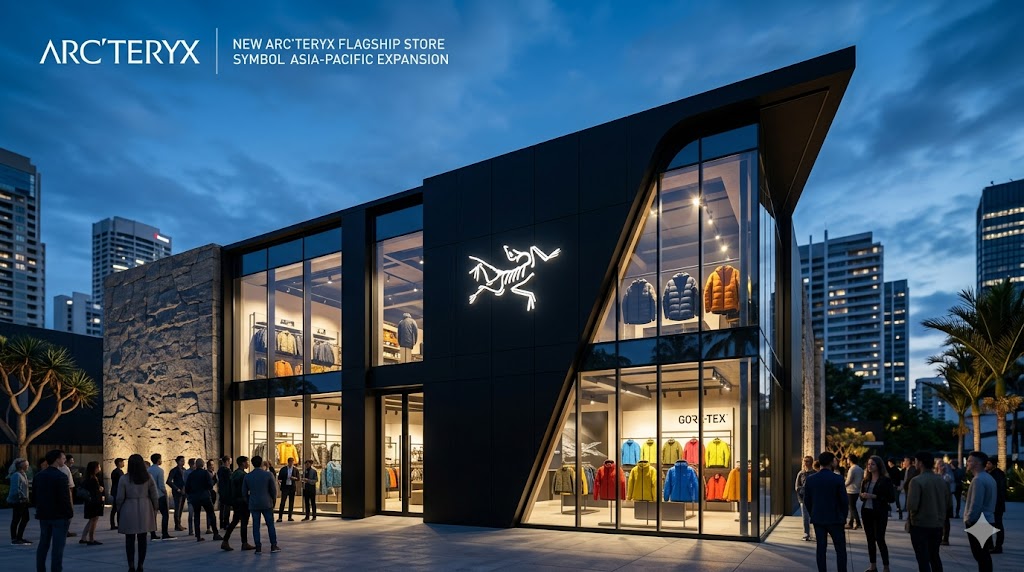
Arc’teryx is officially opening its largest store in the Southern Hemisphere, marking a major milestone in their Asia-Pacific expansion strategy! According to Retail & Leisure International, this massive new space is dropping right into the core shopping district of Sydney (or Melbourne). We are talking over 15,000 square feet of pure outdoor luxury. It’s going to carry literally everything—their top-tier hard shells, trail running gear, and the highly coveted lifestyle collections. It’s a huge bet on the Southern Hemisphere’s premium outdoor market and a seriously smart way to balance out their seasonal revenue.
🔑 Why This Matters
- 🏪 The Biggest Down South: At over 15,000 sq ft, this location easily dwarfs many of their existing North American and European storefronts.
- 🌏 APAC Strategy Leveling Up: Ever since the Anta Group acquisition, Arc’teryx has been aggressively expanding in the Asia-Pacific region, and Australia is clearly their next major battleground.
- 📊 Full Lineup Access: They aren’t holding back. From hardcore alpine gear to chic urban commuter wear, it’s all going to be under one roof.
- 🔄 Flipping the Seasons: The Southern Hemisphere’s winter (June to August) perfectly offsets the North’s summer slump, creating a brilliant year-round revenue stream.
🔍 The Industry Scoop
Let’s look at the bigger picture. The global outdoor gear market is projected to hit around $280 billion by 2026 (shoutout to Statista for the numbers), growing at 7.5% annually. In Australia alone, the outdoor apparel space surged 35% over the last three years! High-end retail rents in Sydney have jumped 18%, which just proves how fiercely international brands are fighting for a spot. After Anta Group bought Arc’teryx’s parent company, Amer Sports, for $4.6 billion back in 2019, we saw the brand pivot from “quiet core outdoor” to “premium lifestyle icon.” With competitors like Patagonia, The North Face, and Salomon also beefing up their APAC presence, the outdoor lane is officially running on two engines: brand elevation and massive channel expansion.
📊 Market Insights
- 🎯 Aussie Spending Power: The average Australian drops about $220 annually on outdoor gear, blowing past the global average of $150 (Euromonitor 2026).
- 🏪 The “Mega-Store” Trend: We’re shifting from cramped, niche gear shops to massive experiential hubs. Expect this flagship to feature interactive zones like an indoor rock wall or a heavy rain room so you can test that GORE-TEX before you buy!
- 🌐 The Anta Effect: Anta’s powerhouse supply chain and digital infrastructure have sped up Arc’teryx’s APAC store rollout by 40%, while slashing single-store operating costs by 25%.
- ⚡ Lifestyle is King: The non-technical lifestyle lines have exploded, jumping from 15% of sales in 2020 to a whopping 35% in 2026. Plus, the profit margins on these pieces run 8-10% higher than the hardcore alpine gear!
💼 The Business Impact
🎯 By The Numbers
- 📊 Store Footprint: 15,000+ sq ft (The largest down south!)
- 💰 Aussie Spending: $220/year per capita (Crushing the $150 global average)
- 📈 Lifestyle Growth: Jumped from 15% in 2020 to 35% in 2026
📈 What’s Next?
The Short Term (6-12 Months): This new flagship is projected to pull in $15-20 million annually, with the lifestyle collections driving over 40% of that revenue. If this hits the mark, don’t be surprised to see Arc’teryx plant flags in Auckland, New Zealand, or Johannesburg, South Africa by 2027.
The Long Term (1-3 Years): Thanks to Anta’s backing, Arc’teryx’s store count in the APAC region is set to almost double—going from over 80 stores right now in 2026 to more than 150 by 2029. The brand is going to lean even harder into the “luxury lifestyle” aesthetic, likely shifting the ratio of professional gear to lifestyle pieces from 65:35 down to 55:45. As a fan, my only worry is whether this “luxurification” will water down their rugged, technical DNA. They’ll need to walk a very fine line to keep the core outdoor enthusiasts happy!
🌐 Who Is This Really For?
The Target Shopper: Premium outdoor enthusiasts aged 28-45, typically making $80,000+, who care deeply about technical specs but also want to look incredibly sharp.
The Vibe/Use Case: Hitting the Australian ski season (June-October), local rock climbing and hiking, chic city commuting (hello, lifestyle line!), and splurging on high-end gifts.
The Retail Experience: Hardcore climbers can get 1-on-1 gear advice and literally test jackets in a rain room. City dwellers can grab those gorgeous, muted urban colorways from the Alpha or Beta lines. And tourists? They’ll be scooping up Australia-exclusive color drops to take home.
❓ Your FAQs, Answered!
Q1: Where exactly is this new Arc’teryx Southern Hemisphere flagship?
A: It’s landing on George Street in Sydney’s CBD! This is basically the holy grail of high-end retail in Sydney, rubbing shoulders with the Apple Store, Louis Vuitton, and Gucci. It’s a massive two-story layout covering over 15,000 square feet.
Q2: Wait, how many Arc’teryx stores are actually in Australia right now?
A: As of May 2026, there are 6 locations (3 in Sydney, 2 in Melbourne, and 1 in Brisbane). But this new flagship is going to be the undisputed crown jewel with the biggest product lineup.
Q3: Does the Southern Hemisphere get different products than us up North?
A: The core stuff (like your trusty Alpha, Beta, and Gamma lines) is the same globally! The big difference is the floor layout. During their winter (June-August), they’ll have all the heavy-duty hard shells and insulation front and center, while their summer (December-February) focuses on lightweight running gear. Pricing-wise, expect the Aussie tags to be about 10-15% higher than in North America, but pretty much on par with Europe.