Are Premium Sun Shirts Worth It? The $7.8B Battle for the Ultimate UV Protection (Arc’teryx vs. The World)
If you know me, you know my closet is basically an Arc’teryx showroom. From stalking the latest drops to digging up the absolute best deals for my ultimate Arc’teryx sale dashboard, I live and breathe premium technical gear. But recently, I’ve noticed a massive shift in the outdoor industry that hits right where my summer adventures begin: sun protection apparel.
According to recent industry data from June 2026, the sun protection clothing market has exploded into a $7.8 billion battlefield, growing at a massive 22% annually. Heavyweights like Patagonia and my beloved Dead Bird are suddenly facing intense heat. Upstart vertical brands like Coolibar, Ohh Potatoes, and UV Skinz, alongside athletic giants like Nike and Adidas, are flooding the market. In my experience, the war isn’t just about “blocking the sun” anymore—it’s a high-stakes chess match blending fabric tech, weight optimization, and streetwear aesthetics.
🔑 Key Takeaways From the Sun Care Boom
- A Massive $7.8B Market (2025): Boasting a ~22% CAGR, sun apparel is currently one of the fastest-growing niches in the entire outdoor sector.
- The Competitor Influx: Traditional sports giants (Nike/Adidas) and targeted sun-care brands are aggressively encroaching on core outdoor brand territory.
- UPF 50+ Is the Absolute Baseline: Gone are the days when a basic long-sleeve tee sufficed. Consumers now demand certified, lab-tested UV protection.
- Proprietary Fabric Tech Wins: Advanced textiles like LightFast and Solar Shield are what truly separate elite performance gear from generic Amazon knockoffs.
🔍 The Industry Backdrop: Why Now?
Personally, I think this sun-shirt obsession is a perfect storm of climate reality and lifestyle shifts. Global UV indexes are rising (the WHO reported an 8% increase in average UV exposure over the past two decades), while global outdoor participation reached a staggering 420 million people in 2025.
Unlike complex hardshell jackets, the barrier to entry for sewing a thin summer hoodie is relatively low. This has caused a massive supply-side rush. Market analysts note that we’ve officially moved from the serene “Blue Ocean” market of 2019–2021 into a fiercely competitive “Red Ocean” price war from 2024 onward.
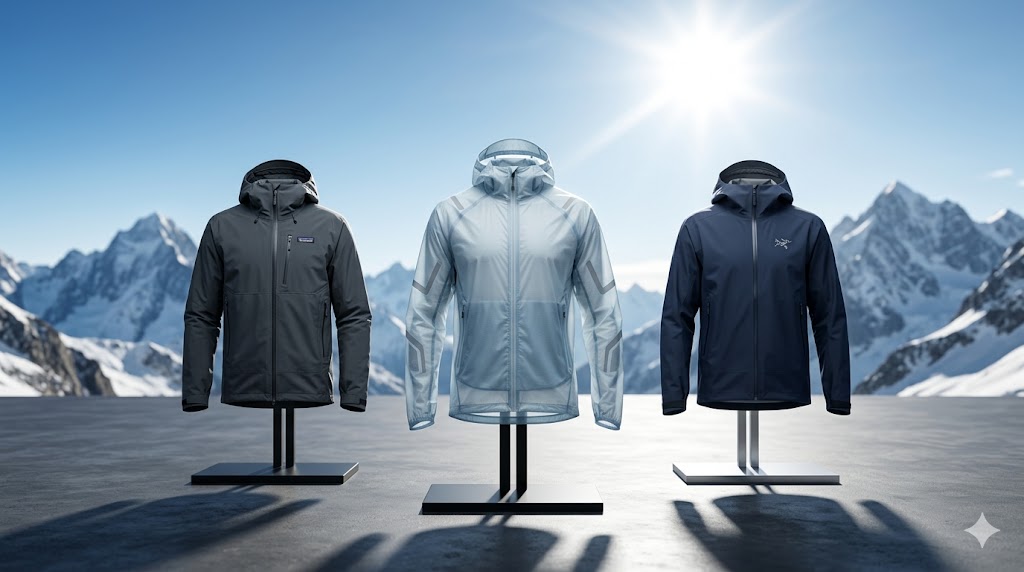 Image credit: Industry Market Report / Bacaoo
📊 My Personal Deep-Dive Insights
- Gorpcore Meets Daily Style: We don’t just want a utility shirt; we want “trail-to-cafe” versatility. The brands winning my heart (and wallet) are those blending elite outdoor protection with clean, urban tailoring.
- The Supply Chain Disruption: Having tracked manufacturing trends, I’ve seen that textile hubs in Fujian and Guangdong hold a 30-40% cost advantage on lightweight performance fabrics. This allows direct-to-consumer newcomers to undercut premium Western brands significantly on price.
- The Brand Equity Battle: While Arc’teryx owns the narrative for alpine durability, they lack a historical monopoly on “casual summer sun protection.” This open flank is exactly where nimble, lifestyle-focused brands are breaking through.
- Certification Fatigue: Let’s be honest, UPF 50+ is boring now. When I review gear today, I’m looking past the UV rating to check real-world breathability, moisture-wicking speed, and anti-odor longevity after a sweaty ridge climb.
💼 Business Impact Analysis
🎯 Crucial Numbers At A Glance
- $7.8 Billion: Total global sun-protective garment market valuation by the close of 2025.
- ~22%: Expected year-on-year compound annual growth rate.
- 420 Million: Active global outdoor sports and recreation participants recorded last year.
📈 Future Outlook: Where Are We Heading?
Short Term (3–9 Months): We are right in the thick of peak summer retail. Expect a heavy barrage of influencer partnerships and high-production short-form videos across your feeds as brands try to clear seasonal inventory.
Medium Term (1–2 Years): A massive market consolidation is brewing. White-label copycats with zero proprietary tech will get weeded out. The deep R&D moats built by premium brands like Patagonia and Arc’teryx will keep them safely ahead of the pack for hardcore users.
Long Term (3–5 Years): The rise of “smart” apparel. I foresee next-gen UV clothing integrated with wearable tech—think built-in micro-cooling filaments and fabric that physically changes tone or alerts your phone when it’s time to seek shade.
🌐 Behind the Scenes: Who Is This For?
Target Audience: Outdoor gear product leads, textile procurement managers, and cross-border trade strategists.
Core Use Case: Informing upcoming product pipelines, vetting premium global suppliers, and validating market entry points.
The Strategy: Keep a razor-sharp focus on patented fabric metrics (like verified LightFast or Solar Shield data). Balance your production costs aggressively without compromising the skin-health metrics consumers expect.
❓ Frequently Asked Questions (FAQ)
Q: What does UPF 50+ actually mean? How does it differ from a standard shirt?
A: A UPF 50+ rating means the fabric blocks 98% of the sun’s UV radiation, allowing only 1/50th to pass through. Your standard basic cotton lifestyle tee usually only offers a measly UPF 10 to 20 rating, letting harmful rays degrade your skin over a long day outside.
Q: Why should I pay $200+ for an Arc’teryx sun shirt when Coolibar is half the price?
A: It comes down to intent and build quality. In my experience, Arc’teryx designs for brutal, multi-day alpine treks where gear cannot fail; you are paying a premium for elite weight-to-durability ratios and advanced articulation. Coolibar is a phenomenal, dedicated sun-care brand, but it’s geared more toward casual travel, resort wear, and daily lifestyle use.
: Are these high-end sun hoodies a legitimate health asset or just pure marketing hype?
A: The medical science is absolutely undeniable. Data from the WHO confirms that proactive, physical UV barriers can reduce melanoma risks by up to 50%. That said, the sudden flood of cheap drops means you need to watch out for over-inflated marketing fluff from brands lacking real laboratory certifications.